Introduction: Why Reading Matters
In many school settings, reading is often closely tied to classroom instruction and assessment. Students engage with texts as part of lessons, assignments, and exam preparation, but may have limited opportunities to read beyond these structured activities. As a result, reading is sometimes approached more as a requirement than as a continuous habit.
This pattern can influence how students engage with learning. When reading is not practiced regularly, students may find it harder to fully understand, interpret, and confidently engage with new information. Over time, this can affect their overall learning experience across subjects.
Developing strong reading habits requires more than classroom instruction. It depends on consistent exposure, access to materials, and an environment that encourages students to read beyond what is required of them.
Building a reading culture within schools helps address this gap. It supports a shift from reading as a task to reading as an essential part of everyday learning, helping students strengthen their skills and engage more effectively in the classroom.
Encouraging Reading Culture in Schools
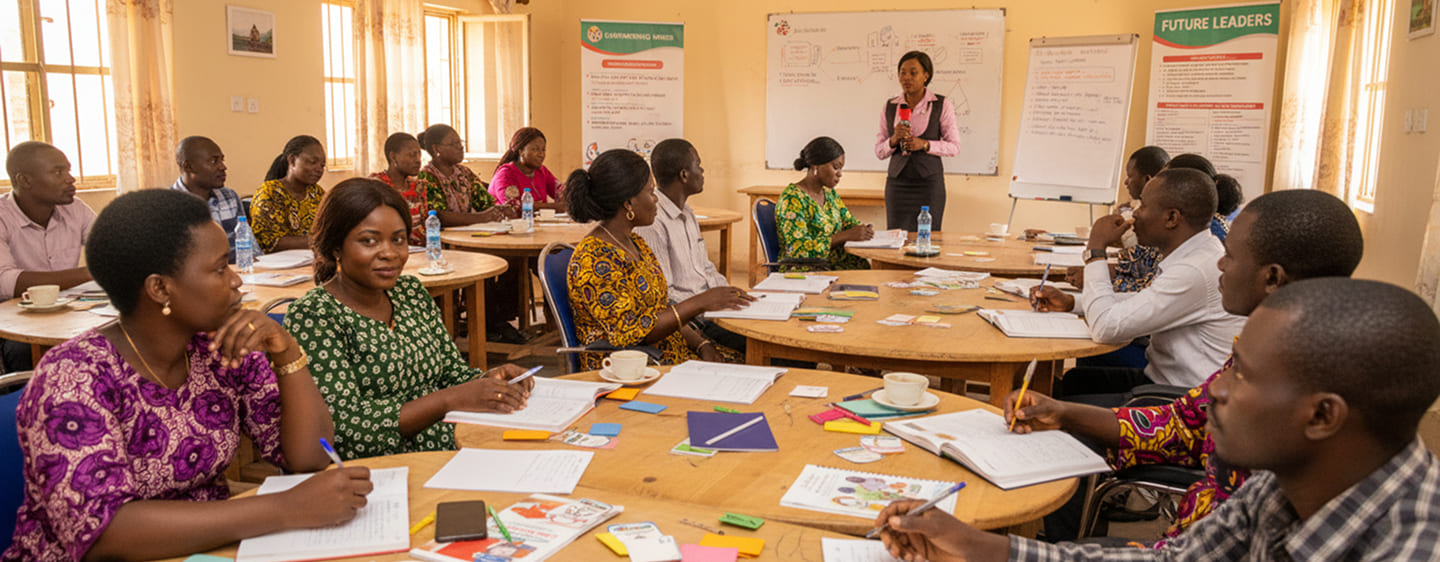
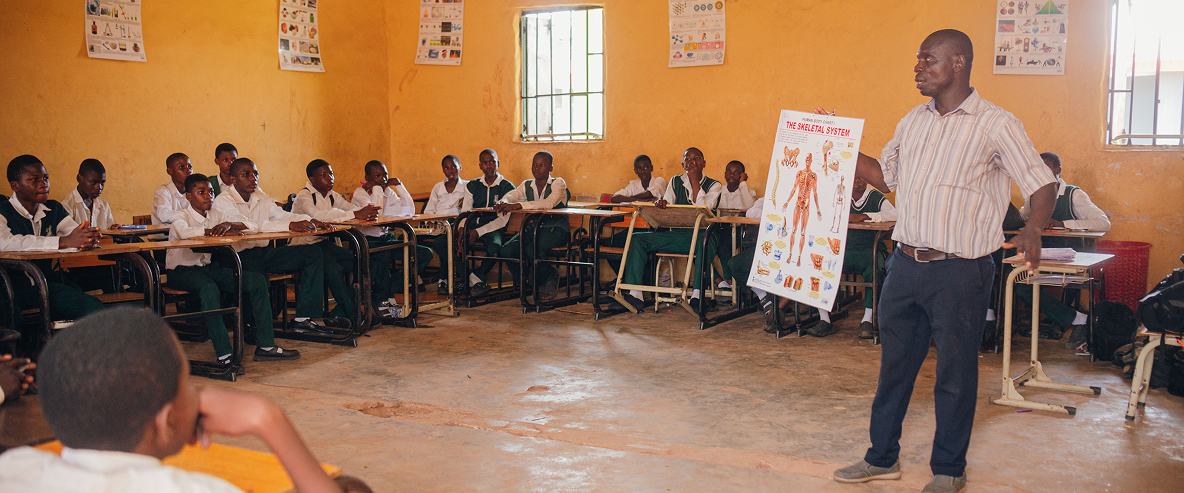
Building a reading culture requires deliberate and consistent effort within the school environment. Teachers play a central role in shaping students’ attitudes toward reading. When reading is actively encouraged in the classroom, students are more likely to develop interest and confidence.
This can be achieved through simple but effective practices. Incorporating reading into daily lessons beyond prescribed textbooks helps students see reading as a regular activity rather than an occasional task. Activities such as storytelling, guided reading sessions, and group discussions allow students to interact with texts in more engaging ways.
Creating opportunities for students to share what they have read also strengthens their understanding. When students discuss stories, summarize passages, or express opinions about what they read, they begin to develop deeper comprehension and critical thinking skills.
A supportive classroom environment where students feel comfortable reading and expressing themselves is equally important. When reading is encouraged without pressure or fear of mistakes, students are more willing to participate and improve over time.
Libraries and Learning Resources in Public Schools
Access to libraries and learning resources plays a significant role in promoting reading culture. In many public schools, however, access to books is limited, and where libraries exist, they are often underutilized or not adequately equipped.
A functional library provides students with exposure to a wide range of reading materials, including storybooks, informational texts, and subject-based resources. This variety is important because it allows students to explore different interests and develop curiosity beyond their immediate curriculum.
In situations where full-scale libraries are not available, alternatives such as classroom book corners or shared reading spaces can be effective. Even a small collection of books, when consistently used, can make a meaningful difference in students’ reading habits.
The presence of learning resources also supports teachers in delivering more effective lessons. With access to relevant materials, teachers can introduce diverse content, encourage independent reading, and create more interactive learning experiences.
Access to Materials and Its Impact on Literacy
The availability of reading materials is directly linked to literacy development. Students cannot build strong reading skills without consistent opportunities to practice. When access to books is limited, reading becomes infrequent, and skill development is slowed.
Regular exposure to reading materials helps students improve their vocabulary, comprehension, and fluency. It also enhances their ability to think critically and engage with more complex ideas as they advance in their education.
On the other hand, limited access to books can create gaps in learning. Students may rely solely on classroom instruction, with little opportunity to reinforce or expand their understanding independently. Over time, this can affect overall academic performance and confidence.
Ensuring that students have access to appropriate and engaging reading materials is therefore essential. This includes not only providing books but also ensuring that they are relevant to students’ age, level, and context.
Conclusion
Building a reading culture in public schools requires more than encouraging students to read. It involves creating an environment where reading is supported through teaching practices, access to resources, and consistent engagement.
When students are given the opportunity to read regularly, supported by teachers and adequate learning materials, they are better positioned to succeed academically and develop skills that extend beyond the classroom.
At African Literacy Project, we remain committed to supporting initiatives that improve access to learning materials and promote reading culture in public schools. Strengthening literacy is a critical step toward improving educational outcomes and creating better opportunities for students.