When the word literacy is mentioned, it is often understood simply as the ability to read and write. While these skills are undeniably foundational, literacy in today’s world extends far beyond decoding words or constructing sentences. True literacy is about understanding, interpreting, analyzing, and applying information effectively. It is the ability to make meaning from what is read, heard or observed, and to use that understanding in practical, thoughtful ways. For secondary school students, literacy forms the backbone of academic success and future opportunities.
Expanding the Definition of Literacy
Literacy is multidimensional. It includes:
- Reading comprehension – understanding and interpreting written material
- Critical thinking – questioning, analyzing, and evaluating information
- Communication skills – expressing ideas clearly in writing and speech
- Information literacy – interpreting charts, data, maps, and visual materials
- Digital awareness – navigating and assessing information in a technology-driven world
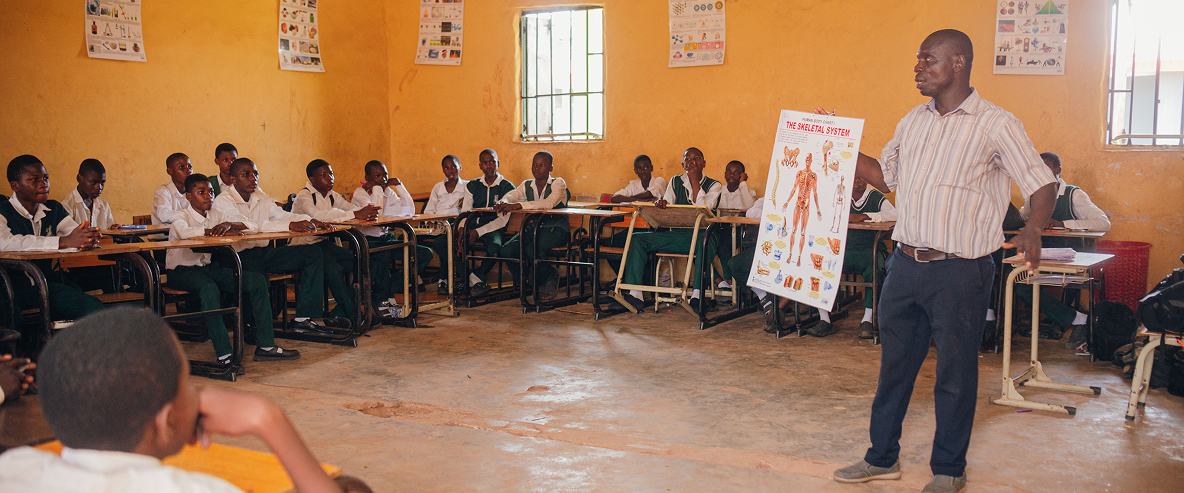
In the classroom, literacy is not confined to English Language lessons. It is required in Biology when students interpret diagrams of the human body. It is essential in Geography when analyzing maps and environmental data. It is critical in Chemistry and Physics when understanding symbols, formulas, and experimental procedures. Literacy, therefore, cuts across all subject areas.
Why Literacy Matters in Secondary Education
At the secondary school level, learning becomes more complex and abstract because students move from basic knowledge acquisition to deeper conceptual understanding. Subjects introduce more specialized terminology, scientific concepts, theoretical explanations, and analytical thinking.
For example, students are expected to interpret graphs in Mathematics, analyze laboratory results in Chemistry and Physics, understand biological systems in Biology, and evaluate social and economic issues in subjects such as Government or Economics. These tasks require more than surface-level understanding; they require students to interpret information, identify relationships between ideas, and apply what they have learned to unfamiliar problems.
In the Nigerian examination context, literacy also plays a critical role. Students must interpret complex examination questions in assessments such as WAEC and NECO, where questions often require explanation, comparison, analysis, or application of concepts rather than simple recall.
Without strong literacy foundations, students may struggle to:
- Interpret examination questions accurately
- Follow multi-step problem-solving processes
- Engage confidently in classroom discussions
- Transfer classroom knowledge to real-life contexts
Evidence from research highlights how literacy underpins these abilities. A study by Maica et al. (2025), conducted at Saint Francis of Assisi College, Philippines, titled “Examining the Relationship Between Reading Comprehension and Word Problem‑Solving Skills Among Grade 10 Students”, found a positive correlation between reading comprehension and problem‑solving skills among Grade 10 students (equivalent to Senior Secondary School 1 (SS1) in the Nigerian system), showing that stronger literacy supports better academic performance and analytical thinking. Similarly, in Nigeria, the study by Aturamu (2025), “The Role of Reading Skill in Enhancing Academic Success Among Senior Secondary School Students”, found a significant positive relationship between students’ reading skills and overall performance, underscoring that reading proficiency is important for success across subjects. In addition, UNESCO (2025) emphasizes that literacy extends beyond reading and writing to include interpretation, critical thinking, communication, and digital skills, all of which are essential for applying classroom knowledge in practical and meaningful ways. Together, these findings reinforce the importance of building strong, multidimensional literacy foundations in secondary education.
Strengthening literacy equips students to become independent learners. It empowers them to ask informed questions, participate actively, and approach academic challenges with confidence.
Literacy and Future Readiness
Beyond examinations, literacy plays a crucial role in preparing young people for future opportunities. Higher education, vocational training, entrepreneurship, and employment all require individuals who can process information critically and communicate effectively. In an increasingly interconnected and information-driven society, literacy is directly linked to opportunity, participation, and social mobility. When we broaden our understanding of literacy, we recognize that it is not merely a classroom skill; it is a life skill.
Strengthening Literacy Foundations
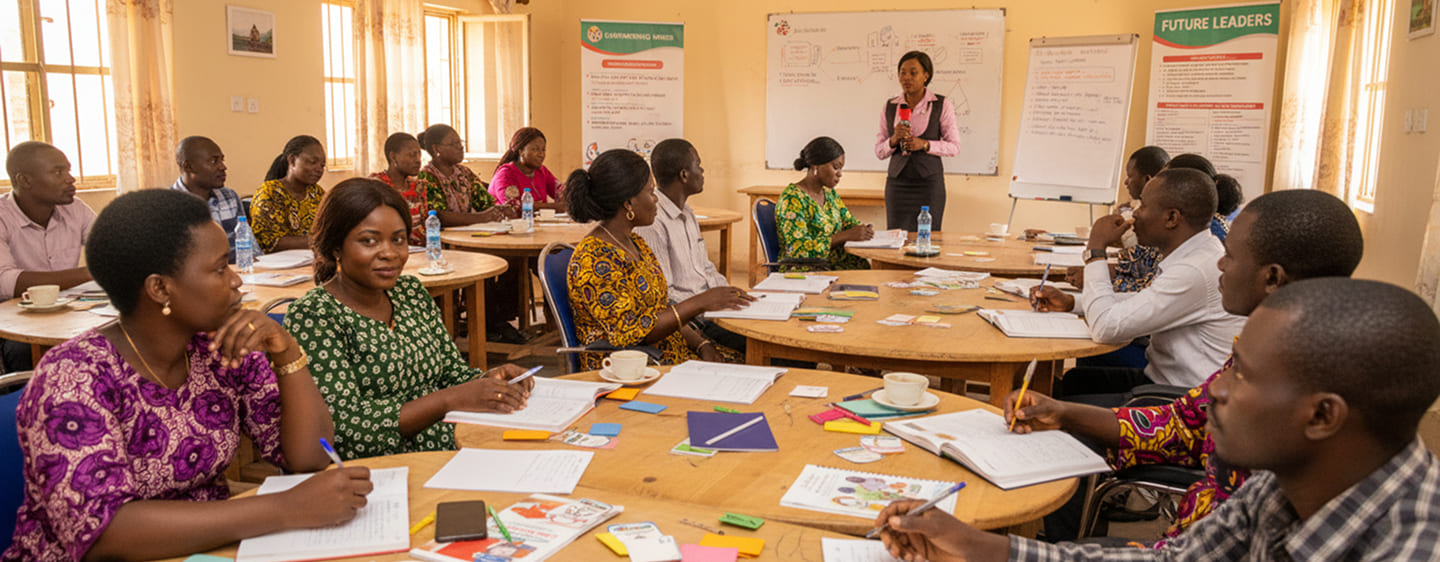
Improving literacy outcomes requires collective effort. Schools must prioritize interactive teaching methods and provide learning materials that support comprehension and engagement.
Examples of such interactive teaching methods include:
- Classroom discussions and debates that encourage students to express ideas and defend arguments
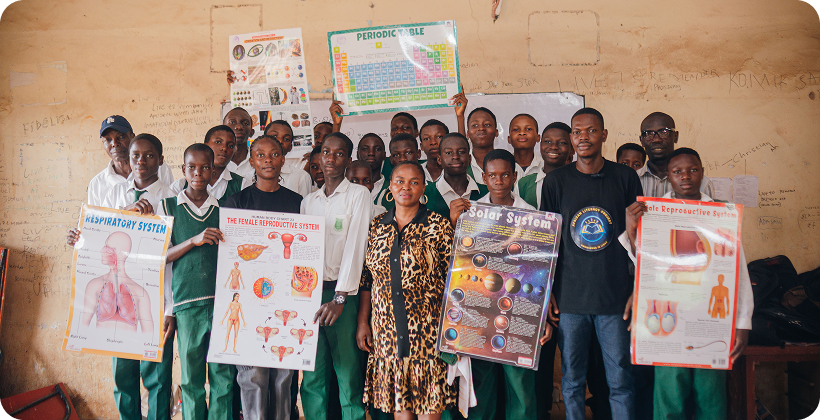
- Use of visual learning aids, such as charts, diagrams, and models, to help students understand complex concepts
- Group learning activities where students work together to solve problems or analyze case studies
- Practical demonstrations and experiments that connect theory with real-world applications
- Question-based teaching, where teachers guide students to think critically through guided questions
Families play an important role in reinforcing reading habits and encouraging curiosity. Communities and education-focused organizations contribute by advocating for and supporting resource-rich learning environments.
At African Literacy Project, strengthening literacy involves supporting schools with practical learning resources, promoting environments that encourage engagement, and contributing to initiatives that improve access to quality learning materials. Interventions such as the provision of classroom learning aids help teachers explain concepts more effectively and enable students to engage visually with subject content.
When literacy is understood in its full scope, interventions become more intentional and impactful.
Moving Forward
If literacy is viewed only as reading and writing, educational strategies may remain limited. However, when literacy is recognized as the ability to think critically, interpret information, and communicate effectively, the focus shifts toward deeper learning and long-term success. Strengthening literacy foundations is not just about helping students pass examinations. It is about preparing them to navigate the world with confidence, clarity, and competence. At African Literacy Project, we remain committed to supporting initiatives that enhance literacy in all its dimensions and strengthen learning outcomes in public secondary schools.