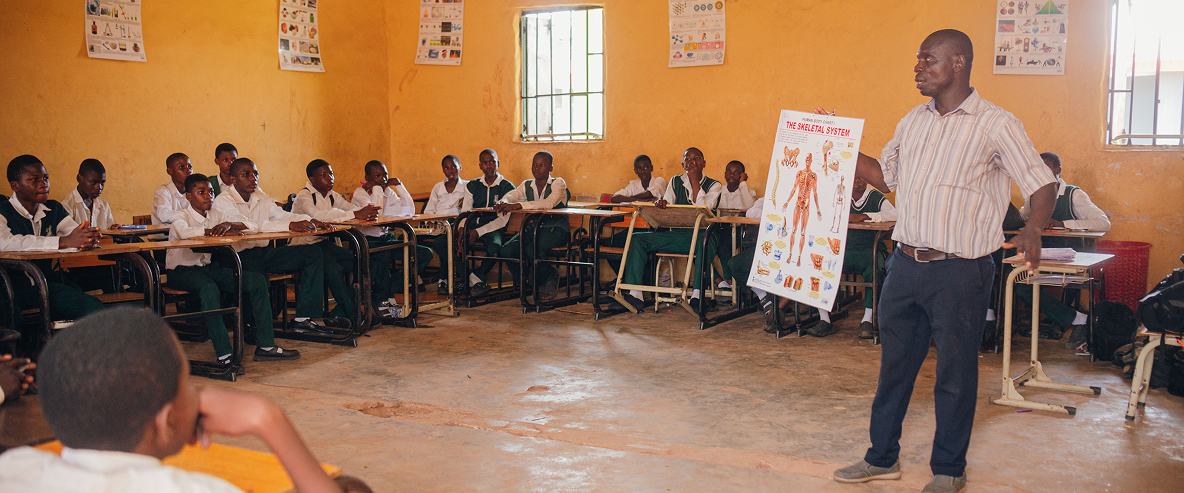
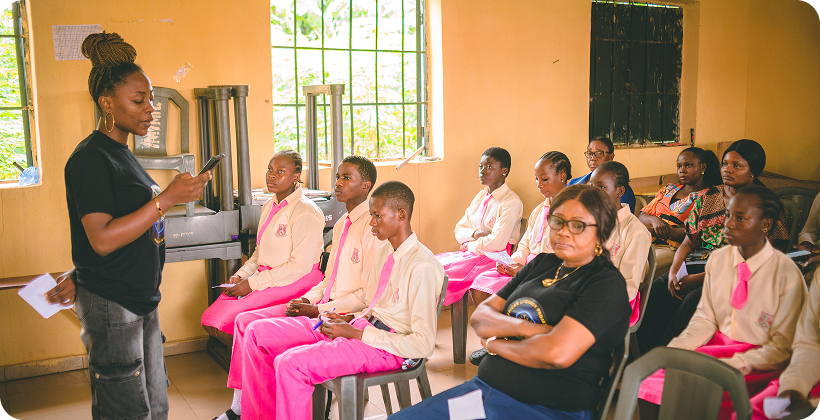
Across many schools, one of the most important but often overlooked drivers of positive change is the voice of students. When learners are not only present but actively heard and involved, schools become more responsive, more disciplined, and ultimately more effective.
Understanding how student voice connects to learning, safety, and responsibility helps us see education as something shaped jointly by students, teachers, and the wider school environment.
Why Student Voice Matters in Education
Student voice is more than classroom participation. It is the ability of learners to express their views, contribute to decisions that affect them, and actively engage in shaping their school experience.
When students are given space to speak and participate meaningfully, several things begin to change. They develop a stronger sense of ownership over their education, they become more engaged in learning, and schools gain clearer insight into what students actually need to succeed.
More importantly, student voice builds mutual respect. It shifts the school environment from one where students are passive recipients of instruction to one where they are active contributors in the learning process.
However, for student voice to be effective, it must exist within an environment where students feel safe and supported to express themselves.
Creating Safe Spaces for Learning
That sense of expression can only exist where safety is guaranteed. A safe learning environment is not limited to physical protection alone, it also includes emotional and psychological safety.
In safe school spaces, students are not afraid to speak, participate, or make mistakes. They are respected by peers and teachers, and they are encouraged to grow without fear of ridicule or intimidation.
When this kind of environment is present, learning becomes more effective. Students ask questions more freely, participate more actively, and develop confidence in their abilities.
Without safety, however, student voice becomes silent or controlled, and learning is reduced to compliance rather than engagement. This is why safety is not separate from student participation, it is the foundation that makes participation possible.
Yet even in environments that are physically safe, learning can still be disrupted when discipline and respect for the school environment are weak.
The Impact of Vandalism on Student Learning
One of the clearest examples of how school environments affect learning is vandalism. When school property is damaged or misused, the consequences go far beyond physical destruction.
Vandalism reduces access to essential learning facilities, creates unnecessary financial pressure on schools, and disrupts normal academic activities. Over time, it also weakens the sense of pride students have in their school.
A damaged environment sends a silent message that the space is not valued. This affects not only infrastructure but also the mindset of learners within it. When students are surrounded by neglect or destruction, it becomes harder to maintain discipline and focus.
This is why protecting school property is not just an administrative concern, it is directly tied to the quality of learning and student development.
Youth Responsibility in Protecting School Property
Because students are the daily users of school facilities, they also carry an important responsibility in protecting and maintaining them. This responsibility begins with awareness and is strengthened through consistent behavior.
Students are expected to take care of their learning environment, use school resources responsibly, and discourage acts that lead to damage or misuse of property. Beyond personal behavior, they also play a role in influencing their peers and promoting a culture of respect.
When students begin to see their school as something they collectively own and are responsible for, discipline improves naturally. The school becomes not just a place they attend, but a space they actively protect and take pride in.
This sense of responsibility connects back to everything discussed earlier. Student voice, safety, and engagement all depend on how much ownership students feel over their environment.
Conclusion
Ultimately, education is not shaped by teaching alone. It is shaped by the relationship between students and their environment, their ability to speak, their sense of safety, and their willingness to take responsibility for the spaces they learn in.
When student voice is encouraged, when safety is prioritized, and when responsibility is embraced, schools become more than learning institutions. They become communities where young people are prepared not only academically, but also socially and morally.
This is the kind of educational environment that leads to lasting impact, and it is what continues to guide our work in strengthening youth engagement in schools.